
Views: 0 Author: Site Editor Publish Time: 2026-01-02 Origin: Site


Are you choosing between sublimation and DTG printing? Both methods offer unique advantages, but which one is right for your business? They each have their perks, and knowing which one’s right for your business could make a huge difference. Let’s break it down so you can make an informed choice about which one to go for.
In this article, we’ll dive into the nitty-gritty of Sublimation and DTG printing. We’ll look at what makes each method stand out, their strengths, their weaknesses, and which one is ideal for what kind of job.
Okay, so sublimation printing is kinda like magic but with heat. Basically, it’s when heat is used to turn a solid dye into gas, and that gas then bonds with the fabric. It doesn’t just sit on top of the fabric like regular ink—it actually becomes part of the material itself. Sounds cool, right? The result is super vibrant, long-lasting prints.
But here’s the catch—sublimation printing works best on polyester fabrics or stuff that has a polymer coating. So, it’s pretty much your go-to method for things like sportswear, custom promotional gear, and designs that cover the whole product.
Vibrant and long-lasting colors: Since the ink bonds with the fabric, it’s not going to crack or peel over time. You can wash it a bunch and it’ll still look fresh.
Full-coverage designs: You can go all out with designs that cover the entire piece of fabric, like those sick all-over prints on t-shirts and hoodies.
High-quality prints: The colors are super sharp, and the designs can get pretty complex without losing detail.
Material Compatibility: Sublimation only works with polyester or synthetic materials. So, if you're thinking about printing on cotton, you might want to look elsewhere.
Equipment costs: If you're just starting out, sublimation printers and accessories can get kinda pricey, depending on the scale of your operation.
DTG stands for Direct-to-Garment printing. It’s like using an inkjet printer, but for fabric. The printer sprays water-based ink directly onto the fabric, and it’s super precise. DTG printing is perfect for smaller batches or custom orders, especially when you want highly detailed, multi-colored designs.
DTG is best for cotton-based fabrics. Think t-shirts, hoodies, and basically any soft clothing made from natural fibers.
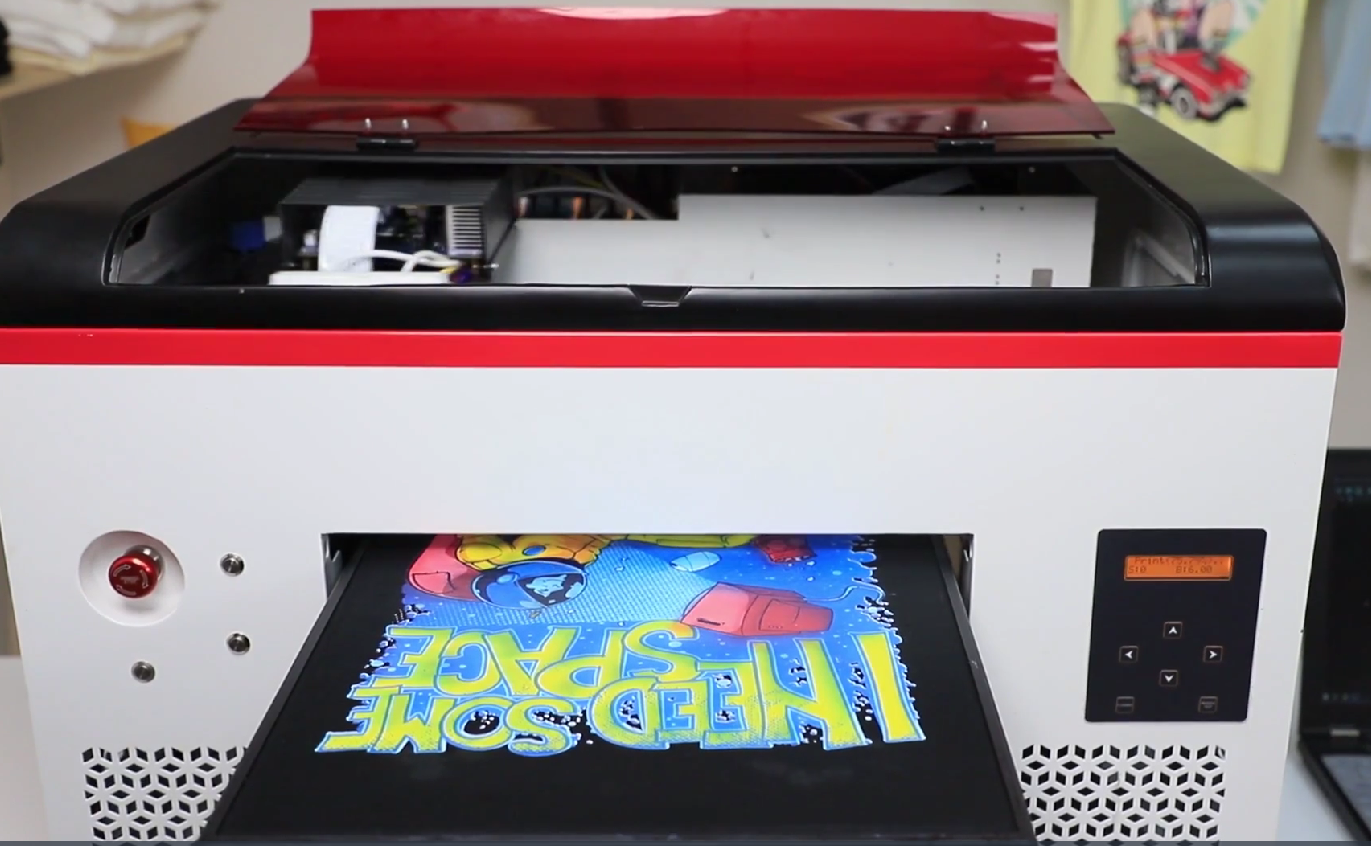
Precision and Detail: DTG is the go-to method for fine details, multi-color designs, and photo-realistic prints. The results are sharp and crisp.
Perfect for Cotton: Unlike sublimation, which loves polyester, DTG works best on cotton and cotton blends.
Flexibility: If you’re doing smaller batches or need something custom, DTG is your best bet. You can print anything from basic logos to super complex designs without worrying about the material.
Material Limitations: It’s mainly for cotton. If you're looking to print on polyester or other synthetic fabrics, you’re going to have issues.
Fading Over Time: While DTG prints look amazing right out of the printer, they may start to fade or peel over time, especially after a lot of washes.
Fabric is a huge factor when you’re deciding between sublimation and DTG. Sublimation’s your best bet for polyester and synthetic materials. If you're planning on printing sportswear, custom mugs, or anything that needs full-color coverage, sublimation is ideal. DTG, on the other hand, is perfect for cotton. It’s great for those soft t-shirts, hoodies, and bags, especially when you need a custom design that’s got a lot of detail.
When it comes to quality, sublimation has the edge when it comes to durability. Since the ink becomes part of the fabric, it’s pretty much impossible for it to crack or peel. Sublimation is perfect for items like sportswear that need to last and stay vibrant for a long time.
DTG prints, though, may not hold up as well. While the prints look amazing at first, they can start to fade after multiple washes, especially on dark fabrics. But if you’re looking for ultra-detailed prints with lots of colors, DTG still takes the cake.
Now, let’s talk about how much these setups are going to cost you. Sublimation usually has lower upfront costs compared to DTG. If you’re just starting out and want to keep things affordable, sublimation might be the way to go. However, DTG printers tend to be a little pricier up front. The advantage here is that DTG printers are more automated, so they scale up faster as your business grows.
Check out this quick price comparison table (rough estimates for 2025):
| Cost Item | Sublimation Setup | DTG Setup |
|---|---|---|
| Printer Base Cost | $300 – $15,000 (small to industrial) | $5,000 – $30,000+ (entry to industrial) |
| Heat Press | $200 – $3,000 (required for sublimation) | $500 – $5,000 (for curing & pretreatment) |
| Inks & Consumables | $0.20 – $1 per print | $1.50 – $3+ per print |
| Ideal Order Type | Large runs, polyester products | Small runs, cotton custom products |
For cotton-based fabrics: DTG is your go-to. It prints on cotton and cotton blends like a champ.
For polyester or synthetic fabrics: Sublimation is the winner here. You’ll get long-lasting prints that bond with the fabric.
DTG: If your designs are detailed and require precision, DTG is perfect. It’s great for getting all those tiny details right.
Sublimation: For all-over designs with vibrant color blends, sublimation wins. You can go edge-to-edge with ease.
DTG: DTG is perfect for small runs and one-off custom jobs. If you're doing personalized t-shirts or unique designs, this is your method.
Sublimation: If you’re handling large orders or need full-coverage prints, sublimation is often more cost-effective as volume increases.
Water-based inks: DTG uses eco-friendly, water-based inks, which makes it a more environmentally friendly option compared to solvent-based inks.
Energy and pretreatment: But here’s the thing—DTG does require pretreatment solutions and curing, which can increase your overall energy consumption.
Eco-friendly dyes: Sublimation uses non-toxic, water-based dyes, which are usually considered pretty eco-friendly.
Energy consumption: The heating process for sublimation can use a lot of energy, especially if you’re doing larger jobs.
If you’re working with cotton fabrics and need those super detailed designs, DTG is the way to go.
Custom orders? DTG is perfect for small batches, especially if you need something quick and with lots of detail.
If you’re dealing with polyester fabrics and need to create vibrant, long-lasting prints, sublimation is your best bet.
Big production runs? Sublimation will save you money in the long run.
To sum it all up, both sublimation and DTG printing have their perks. Sublimation is perfect for polyester and full-coverage designs, while DTG is the best for cotton fabrics and highly detailed, small-batch work. The right choice depends on your fabric, the complexity of your designs, and the size of your orders.
If you’re in the market for a top-notch printing solution, check out Shenzhen Chuang Cheng Da Technology Co., Ltd. Their products offer great value and are tailored to meet a wide variety of printing needs.
A: Sublimation uses heat to transfer dye into polyester fabrics, creating vibrant, long-lasting prints. DTG, however, prints directly onto cotton fabrics, offering high precision for small batches and complex designs.
A: DTG works best with cotton-based fabrics, such as t-shirts and hoodies. It provides excellent detail and color accuracy on natural fibers.
A: If you are working with polyester fabrics or need full-coverage designs, sublimation is ideal. It provides vibrant, permanent prints that won't fade or crack over time.
A: DTG printing uses inkjet technology to apply water-based inks directly onto fabric. The design is printed in full color, offering high precision and detail.
A: Yes, DTG printing is perfect for small batches or custom orders. It does not require set-up costs like other printing methods, making it a cost-effective solution for personalized designs.


