
Views: 0 Author: Site Editor Publish Time: 2026-02-12 Origin: Site


If you want to choose the best method for garment decoration, you need to think about your project size and budget. DTF printing works well for large orders and full-color designs because it speeds up production. Heat transfer vinyl fits small custom printing projects and costs less to start. The table below shows how costs change as you make more shirts:
Quantity | DTF Cost per Shirt | Vinyl Cost per Shirt |
|---|---|---|
1 | $8–$12 | $7–$10 |
10 | $4–$6 | $3–$5 |
50 | $2.50–$3.50 | $1.50–$3 |
100 | $1.80–$2.50 | $1.20–$2.50 |
DTF offers a faster workflow for big runs, while vinyl can slow you down if you need many items.
DTF printing is good for big orders and detailed designs. It makes things faster and uses bright colors.
Heat transfer vinyl costs less for small jobs and simple designs. It is a good pick for people who are just starting.
Think about the fabric you use. DTF works on many types of fabric. Vinyl works best on cotton and polyester blends.
Look at what you need to make. DTF is good for making lots of things at once. Vinyl is better for making a few custom items.
Think about saving money over time. DTF costs more at first but saves money on big orders. Vinyl is cheaper to begin with.
DTF printing gives you a modern way to create colorful and detailed designs on clothing. You use this method when you want fast results and high-quality images. Many people choose DTF for garment decoration because it works well for large orders and offers strong, lasting prints.
You follow several steps to make dtf prints. Each step helps you get sharp images and makes it easy to print many shirts at once. Here is a simple table that shows the main steps in the dtf printing process:
Step | Description |
|---|---|
1 | Prepare your artwork using graphic design software. Make sure your file is high resolution. |
2 | Use RIP software to set up colors and printing settings. |
3 | Print your design onto PET film with a special printer. |
4 | Sprinkle adhesive powder on the wet ink. This powder helps the design stick. |
5 | Heat the film to cure the powder and bond it to the ink. |
6 | Use a heat press to transfer the design onto your shirt or other fabric. |
You can see that dtf printing uses a clear process. This process lets you make many dtf transfers quickly. You do not need to cut or weed designs like with vinyl. This saves you time, especially for big jobs.
You find dtf printing in many businesses. It works best when you need to print lots of items or want to use many colors. Here are some common dtf printing applications:
Custom apparel shops use dtf for t-shirts and hoodies because the prints last a long time.
Companies that make promotional products like dtf because it works on many materials.
Specialty garment makers choose dtf for its even print quality on different fabrics.
Some businesses use dtf for non-textile items, such as leather patches.
DTF is cost-effective for small runs, but it shines when you need to print many items. You need a higher initial investment for the printer and supplies, but you save time and money as your order size grows.
Tip: If you plan to grow your business or handle large orders, dtf printing can help you scale up fast.
Heat transfer vinyl, also called htv or heat-transfer vinyl, gives you a simple way to decorate clothing and accessories. You use vinyl heat transfer when you want to create custom designs, names, or logos on shirts, hats, and bags. This method works best for small runs and one-of-a-kind projects. You do not need a big investment to get started with htv, so it is a popular choice for hobbyists and small businesses.
You can complete the vinyl heat transfer process in a few easy steps. This makes it a great option if you want to make custom items quickly. Here is how you use htv for heat transfers:
Cut your design into a sheet of heat transfer vinyl using a cutting machine.
Weed away the extra vinyl, leaving only your design on the backing.
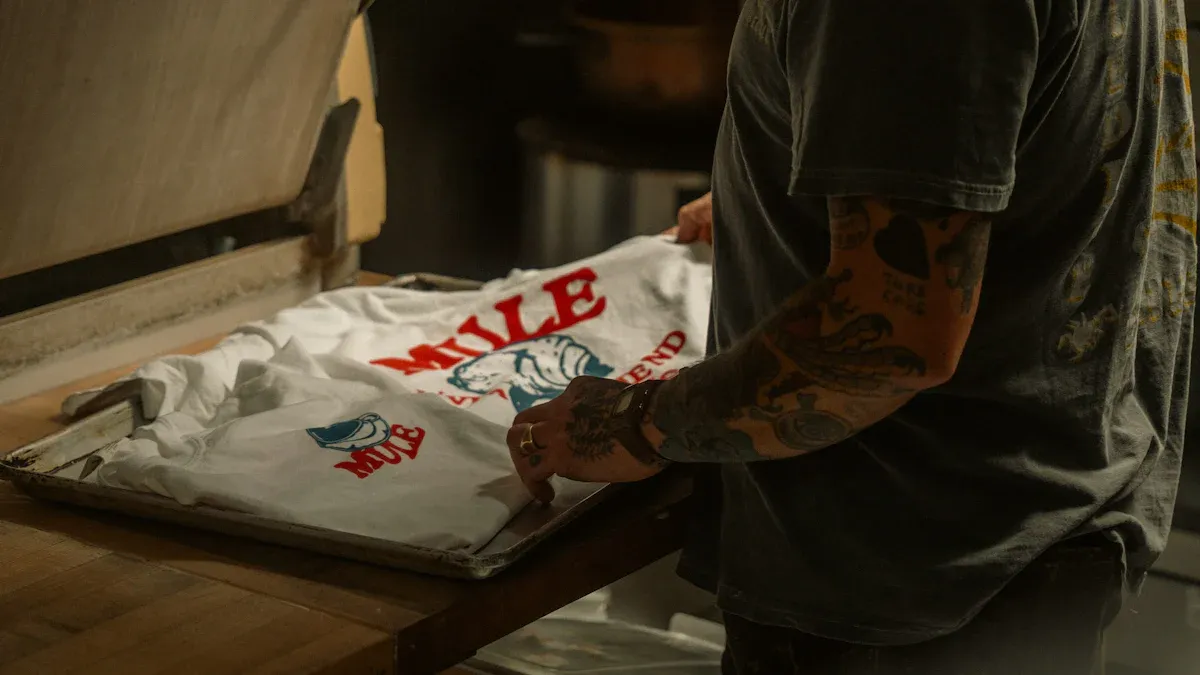
Place the design onto your fabric and use a heat press to apply heat and pressure.
Tip: You can use a home iron for small projects, but a heat press gives you better results for most heat transfers.
Unlike dtf printing, you do not need to print on film or use adhesive powder. You only need to cut, weed, and press. This makes vinyl heat transfer easy to learn and perfect for beginners.
You can use vinyl heat transfer for many types of custom apparel and promotional products. Here are some common uses for htv and heat transfers:
Athletic wear, such as team jerseys and workout shirts
Special occasion garments, like birthday or event shirts
Corporate logos on uniforms and workwear
Team uniforms for schools and clubs
Promotional apparel for giveaways or marketing
Vinyl heat transfer lets you create detailed names, numbers, and logos in many colors. You can make one shirt or a dozen with the same process. If you want to offer custom designs or small batches, htv and heat-transfer vinyl give you the flexibility you need.
Note: Vinyl heat transfer works best for simple shapes and bold colors. If you want to make many shirts with the same design, you can save time by cutting and pressing several at once.
If you want your designs to last, durability matters. DTF and HTV both work well, but they are different after many washes. Look at the table below to see how long each method lasts:
Printing Method | Wash Durability |
|---|---|
DTF Printing | Up to 35 washes |
Heat Transfer Vinyl | 25-30 washes |
DTF prints stay bright and strong after lots of washing. The ink sticks to the fabric, so it does not crack or peel much. HTV can start to peel or fade after several washes, especially on stretchy or rough fabrics. If you want shirts to look new for a long time, DTF printing is better.
DTF also handles wear and tear well. The colors stay bright, and the print does not peel off. HTV can lose its shine and may come off. DTF is a smart pick for sportswear, work uniforms, or clothes that need to last.
You want your designs to look sharp and colorful. DTF printing gives you more colors and better detail than HTV. Check out this table to compare:
Feature | DTF Printing | Heat Transfer Vinyl |
|---|---|---|
Color Gamut | Wider color gamut for vibrant designs | Limited color range |
Image Quality | Higher quality for detailed prints | Moderate quality |
Fabric Integration | Seamless integration for softness | Stiffer feel |
Opacity on Dark Fabrics | Enhanced opacity with white ink layer | Standard opacity |
Performance with Intricate Designs | Superior performance | Limited performance |
DTF printing uses CMYK colors and white ink. You can print bright, full-color images with smooth color changes. The colors look good on many fabrics. HTV works best for simple shapes and bold colors. It cannot match the detail or brightness of DTF. If you want to print photos or fine lines, DTF transfers work best.
DTF prints also feel softer on shirts. The ink blends into the fabric, so you do not get a stiff spot like with HTV. This makes shirts more comfortable.
You need to know which materials work best with each method. DTF printing is very flexible. You can use it on cotton, polyester, nylon, and leather. This is great if you want to print on many products. Here is a quick guide:
Printing Method | Compatible Materials | Limitations |
|---|---|---|
DTF Printing | Cotton, polyester, nylon, leather | Highly adaptable, suitable for various products |
HTV Printing | Best with heat-resistant materials like cotton and polyester blends | Limited to fabrics with higher melting points, risk of scorching on low melting point fabrics |
HTV works well on cotton and polyester blends. It does not work as well on fabrics that melt easily. You might see damage if you use HTV on nylon or delicate materials. DTF lets you print on more items, so you can offer more products.
Note: DTF printing helps the environment. It uses less water and makes less waste than HTV. You do not need to cut away extra vinyl, so you save material and make less trash.
If you want the best mix of quality, durability, and flexibility, DTF printing stands out. You get prints that last, bright colors, and you can decorate many types of fabric. HTV is good for simple, custom jobs, but DTF gives you more choices for your business.
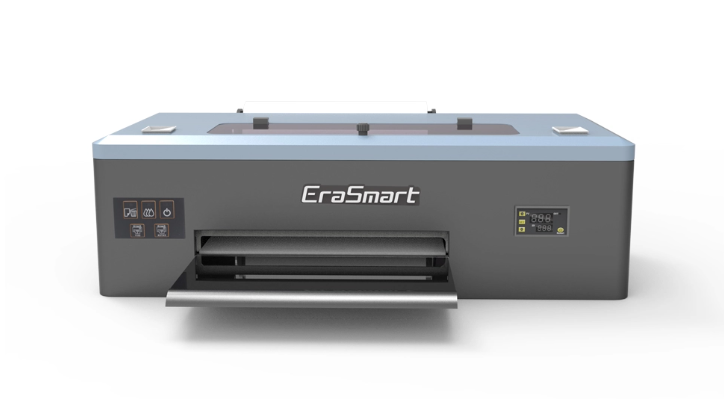
When you start with dtf, you notice the initial investment is higher than with htv. You need a special printer, transfer films, inks, and a heat press. Here is what you can expect:
dtf printing setups require a larger investment at the start.
htv setups cost less at first, but you still need a vinyl cutter and a heat press.
dtf gives you more speed and efficiency as your business grows.
If you plan to print many shirts, dtf can help you save money in the long run. The higher investment pays off with faster production and less manual work.
You need to think about ongoing costs for both dtf and htv. dtf uses inks, transfer films, and hot melt powder. These supplies add to your expenses, especially for small runs. htv only needs vinyl sheets and a heat press, so it is more cost-effective for simple jobs.
htv does not require extra inks or films, making it a cost-effective choice for basic designs.
dtf prints cost more to produce at first, but you save money as you print more items.
For medium to large orders, dtf becomes the more cost-effective option.
If you want to work in a cost-effective manner, choose htv for small, simple projects and dtf for bigger, colorful jobs.
Production speed matters when you have deadlines. dtf can print 30 to 60 square feet per hour, and advanced models go even faster. htv lets you press about two shirts per minute, but you spend extra time cutting and weeding each design.
Printing Method | Average Speed | Total Time for 100 Shirts |
|---|---|---|
dtf | 30–60 sq ft/hr (100+ for advanced) | 1.67–3.33 hours |
htv | 2 shirts/minute (30 sec/shirt) | 25 minutes |
dtf offers high efficiency for large orders. You finish jobs faster and with less effort. htv works well for small batches, but it can slow you down for big runs.
Tip: If you want long-term savings and fast turnaround, dtf is the best choice for growing businesses. htv is great for custom, one-off items.
You want your designs to look bright and clear. DTF gives you more color choices than heat transfer vinyl. You can print full-color designs with CMYK and white ink. This helps you get smooth color changes and bright colors. DTF makes colors stand out on any fabric.
Heat transfer vinyl does not give you as many color options. You need a different vinyl layer for each color. This makes it hard to use lots of colors in one design. You cannot blend colors or make photo-like images with vinyl. If you want many colors in your design, DTF is a better pick.
Here is a quick comparison:
Feature | DTF Printing | Heat Transfer Vinyl (HTV) |
|---|---|---|
Color Handling | Full-color designs with CMYK + white | Limited to separate vinyl layers |
Detail Reproduction | High clarity and realism | Less effective for intricate graphics |
Application Complexity | Single transfer process | Time-consuming layer application |
Tip: Pick DTF if you want more color choices and bright prints.
You might want to make detailed logos or small text. DTF can handle these tricky designs easily. You only need one transfer step, even for tiny lines or shapes. The print stays sharp and clear, no matter how small the details.
Heat transfer vinyl works best for simple shapes and big letters. If you try to cut small details, the vinyl can rip or be hard to weed. You also spend more time putting on each color layer. DTF saves you time and gives better results for hard projects.
DTF gives you more options for custom work. You can make special designs with bright colors and fine details. This makes DTF a smart choice if you want to offer creative prints.
Note: If you want to grow your business or offer more design choices, DTF gives you the flexibility you need.
You get many benefits when you choose dtf for your printing needs. This method works on many types of fabric, including cotton and polyester. You do not need to pre-treat your materials, which saves you time. Dtf gives you bright, clear colors, even on dark shirts. Your prints last through many washes and stay vibrant. You can use dtf for small custom orders or larger runs without much setup.
Here is a table that shows the main pros and cons of dtf printing:
Advantages | Disadvantages |
|---|---|
High customer satisfaction due to durability | Production speed can be slow for large orders |
Versatile across various substrates | Requires regular maintenance |
Excellent reproduction of intricate designs | Initial investment can be high |
Low setup costs for short runs | White ink maintenance is necessary |
No pre-treatment needed for fabrics | Adhesive powder can be messy |
Bright and long-lasting prints | Prints may feel thicker than other methods |
Note: Many users say dtf prints look vibrant and last a long time, even after many washes. You need to keep your printer in good shape with regular cleaning.
The global textile printing market keeps growing, and dtf plays a big part in this trend. More people want custom shirts and fast service, so dtf is becoming more popular.
Heat transfer vinyl gives you a simple way to make custom shirts and accessories. You can start with a small budget and basic tools. Vinyl designs look great and work well for simple logos or names. You can make one shirt or a small batch without much setup.
Here is a quick look at the main pros and cons of heat transfer vinyl:
Pros | Cons |
|---|---|
Looks great | Requires extra care |
Cost effective | Rubbery feel |
You need to take extra care when washing vinyl prints. The design may feel rubbery and can peel over time. Vinyl works best for simple shapes and bold colors. If you want to keep costs low and make custom items, vinyl is a good choice.
Tip: Choose heat transfer vinyl for small, simple projects or when you want to try new ideas without spending a lot.
You want to pick the best printing method for your needs. Start by looking at a few important factors. Each one can help you decide if dtf or heat transfer vinyl fits your project.
Design Complexity: If you plan to print full-color images or detailed artwork, dtf printing gives you better results. Simple shapes or single-color logos work well with heat transfer vinyl.
Fabric Type: Dtf supports many fabrics, such as cotton, polyester, and blends. You can customize an array of products with dtf. Heat transfer vinyl works best on cotton and polyester, but may not suit all materials.
Production Time: Dtf can speed up your workflow, especially for large orders. You can finish custom t-shirt jobs faster with dtf than with vinyl.
Scalability: Dtf lets you handle both small and large runs. You can grow your business without changing your process.
Cost vs. Long-term Value: Dtf needs a higher upfront investment, but you save money on big orders. Heat transfer vinyl costs less to start, but may not last as long or look as sharp after many washes.
Here is a quick table to help you compare:
Factor | DTF Printing | Heat Transfer Vinyl (HTV) |
|---|---|---|
Production Volume | Efficient for high-volume projects | Best for occasional customization |
Design Complexity | Handles intricate, full-color designs | Best for simple, bold designs |
Budget | Higher initial cost, saves on large runs | Lower cost for small projects |
Tip: Think about your main goals. If you want to offer custom printing for many customers or need fast turnaround, dtf can help you scale. For small, custom apparel projects, heat transfer vinyl keeps things simple and affordable.
If you want to make lots of shirts fast, pick dtf printing. Dtf printing is good for big orders and tough designs. The prints last a long time and look bright. Heat transfer vinyl is better for easy designs and small jobs. It costs less to start and works well for simple shapes. Look at the table to see how they are different:
Aspect | DTF Printing | Heat Transfer Vinyl |
|---|---|---|
Design Complexity | Complex, photorealistic | Simple, solid-color |
Production Volume | High | Low |
Initial Cost | Higher | Lower |
Think about what you want to make and how much money you have. Also, decide if you need fancy designs or just basic ones before you choose.
You use DTF to print full-color images directly onto film, then transfer them to fabric. Heat transfer vinyl uses colored sheets that you cut into shapes and press onto fabric. DTF works better for detailed, colorful designs.
You can use DTF on cotton, polyester, nylon, and even leather. Heat transfer vinyl works best on cotton and polyester blends. Some delicate fabrics may not handle the heat from vinyl pressing.
DTF prints usually last longer. They resist cracking and fading after many washes. Vinyl designs can peel or lose color over time, especially if you wash them often.
DTF printing needs special equipment and good ventilation. You should use it in a workspace, not a small room at home. Heat transfer vinyl is safer and easier for home projects.
Think about your design, fabric, and how many items you need. DTF works best for big orders and detailed images. Vinyl is great for simple, custom jobs or small batches.


