Views: 0 Author: Site Editor Publish Time: 2025-07-07 Origin: Site


Direct-to-Film (DTF) printing has rapidly gained popularity in the garment decoration industry due to its versatility, cost-effectiveness, and ability to produce vibrant, durable prints on a wide range of fabrics. However, to achieve optimal results, selecting the right DTF printer is crucial. This article delves into the types of printers suitable for DTF printing, focusing on their capabilities, advantages, and considerations to help you make an informed decision.
DTF printing involves printing designs onto a special PET film using a DTF printer, applying adhesive powder to the printed design, and then transferring it onto a garment using a heat press. This method allows for high-quality prints on various fabrics, including cotton, polyester, and blends, without the need for pretreatment.
Many DTF printers are based on modified inkjet printers that have been adapted to handle DTF inks and films. These printers are popular due to their affordability and availability. They are commonly used in small to medium-scale operations. Notable features of these printers include:
High print resolution: These printers are capable of printing at resolutions up to 5760 x 1440 dpi, ensuring crisp and detailed designs.
Continuous Ink Supply Systems (CISS): This system ensures consistent ink flow, which is vital for high-quality prints, especially when using white ink.
Roll-fed inkjet printers are designed for high-volume production and are capable of printing on continuous rolls of transfer film. These printers are ideal for businesses that require large quantities of transfers. Some notable features include:
Continuous printing: These printers can handle continuous rolls, allowing for uninterrupted, high-speed production.
Wide print width: These printers often support wide-format printing, which is beneficial for larger designs or bulk production.
These printers are typically used in commercial settings where efficiency, speed, and large-scale printing are necessary.
While less common for DTF printing, flatbed printers can be used for specialized applications. These printers offer the advantage of printing directly onto various substrates, including rigid materials, without the need for transfer films. They are generally more expensive and less versatile than inkjet printers. Key features of flatbed printers include:
Versatility: Capable of printing on a wide range of substrates.
High precision: These printers provide high-quality prints with accurate color reproduction.
The print resolution of a DTF printer determines the clarity and detail of the printed designs. A higher resolution is essential for intricate designs and fine details. Printers with a minimum resolution of 1440 dpi are recommended for DTF printing to ensure high-quality, detailed prints.
White ink is essential for printing on dark fabrics. Proper circulation and maintenance of white ink are necessary to prevent clogging and ensure consistent print quality. Printers with built-in white ink circulation systems are preferable, as they help maintain smooth operation over time.
Consider the size of the printer and its compatibility with the transfer films and substrates you plan to use. Ensure that the printer can accommodate the required media sizes and types. The right size is critical for efficiency and ensures that you can print the designs you need without encountering limitations.
The DTF printer should be compatible with RIP (Raster Image Processor) software, which allows for precise color management, print layout adjustments, and other essential functions. Software compatibility ensures smooth operation and helps achieve the desired print quality.
Evaluate both the initial cost of the printer and the ongoing maintenance expenses, including ink, transfer films, and other consumables. Additionally, consider the printer's durability and the availability of customer support and replacement parts. Low-maintenance models are preferable for businesses aiming to minimize operational disruptions.
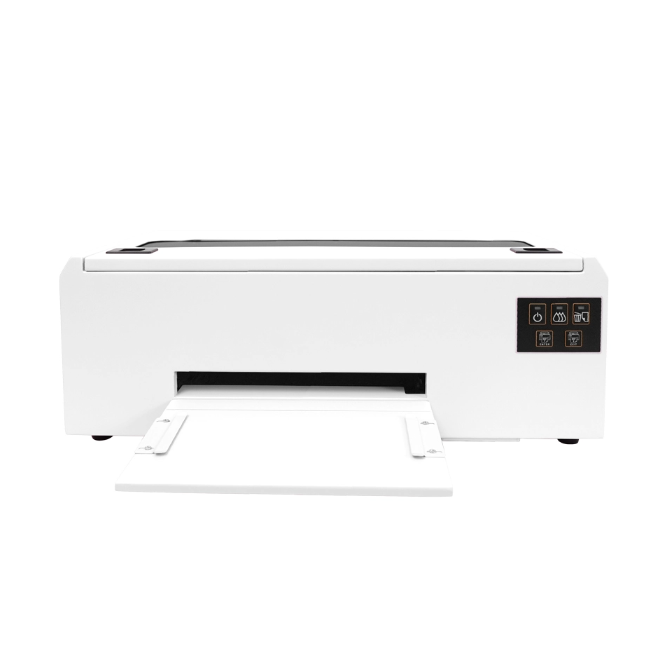
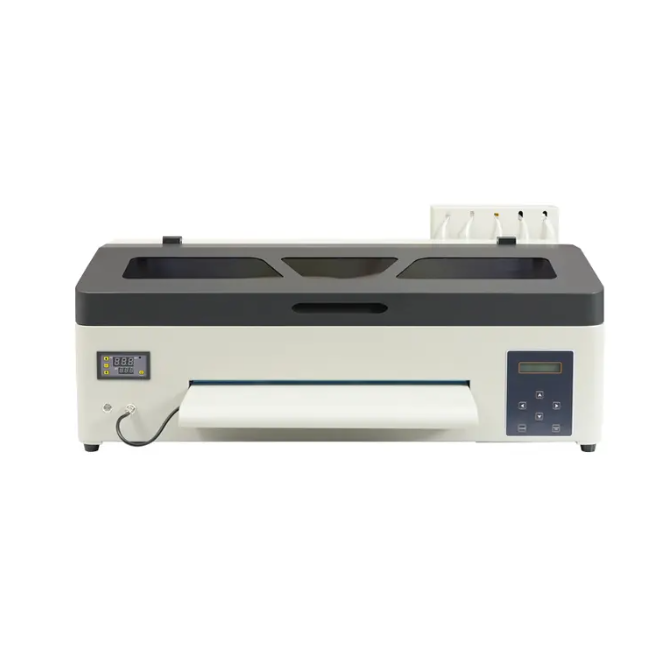
Based on the above considerations, here are some recommended DTF printers:
Selecting the right DTF printer is essential for achieving high-quality prints and ensuring efficient production processes. Modified inkjet printers offer an affordable entry point, while roll-fed inkjet printers are suitable for high-volume production. Flatbed printers can be considered for specialized needs but are less common in DTF printing.
When choosing your DTF printer, consider factors such as print resolution, white ink management, printer size, software compatibility, and overall cost. By carefully evaluating these aspects, you can choose a DTF printer that aligns with your business needs and production goals, ensuring that your printing operations run smoothly and produce exceptional results.