
Views: 0 Author: Site Editor Publish Time: 2025-12-31 Origin: Site


Yo! So, like, if you’re trying to decide between an A1, A2, or A3 DTF printer for your business or side hustle, you might feel totally overwhelmed. I mean, there are so many choices out there, and sometimes it feels like every model promises to be the best ever, right? But, seriously, don’t stress — we’re gonna break it all down for real. We’ll talk about how these printers differ, especially with things like size, cost, and what they’re actually good for.
By the end of this super chill guide, you’ll (hopefully!) know exactly which DTF printer makes sense for your vibe — whether you’re doing big prints for hoodies and banners or smaller ones for custom tees and hats.
Okay, so first up, let’s talk about what these size names even mean. When people say “A1”, “A2”, or “A3” DTF printer, they’re usually talking about the maximum print size the machine can handle. This is kinda like how paper sizes work in the real world — there’s a whole standard (ISO 216) that defines this stuff — but for DTF printers, the label just tells you the biggest design you can print straight onto your film.
Here’s a quick breakdown of the sizes people usually talk about:
A1 – This bad boy is the biggest of the three. We’re talking about prints up to around 23.4 x 33.1 inches. So if you’re trying to do really large shirts, banners, posters, or anything oversized, this is the size that’ll let you go huge.
A2 – Kinda the middle ground — roughly around 16.5 x 23.4 inches. So it’s bigger than the smallest but not as massive as A1. Think of it as the all‑around good size for most custom apparel shops.
A3 – The smallest of the three here — about 11.7 x 16.5 inches. This is perfect for smaller design work like tees, cute hats, small bags, patches, and all that fun stuff.
So basically these letters are just, like, indicating how big your prints can be. That’s the main thing you need to know.
If you’re new to DTF (that stands for Direct‑to‑Film), here’s the quick low‑down: instead of printing directly on a shirt or hoodie like with DTG (Direct‑to‑Garment), you first print the design onto a special kind of transfer film. Then you use a powder adhesive that sticks to the ink, heat‑set that powder, and then press the whole thing onto your textile with a heat press. Boom — design stuck on like magic.
It’s kinda like making a sticker for fabrics — super colorful, great detail, and it works on lots of materials. Easy peasy.
Alright, now let’s get into the good stuff — starting with the biggest option: A1 DTF Printers.
So, an A1 machine is like the Hulk of DTF printing. You get:
Huge Print Area: Let’s be real: if you want to do big designs (like full‑back jacket graphics or massive banners), an A1 printer is the way to go. That size lets you make stuff that’ll turn heads.
High Quality & Detail: Bigger printers often use better components and can push out really crisp, vivid prints, even on big graphics. So your art doesn’t look all blurry or meh when it’s huge.
Cranks Out Lots of Prints: These machines are built for volume. So if you’ve got a shop that’s doing big orders or you wanna scale up, an A1 printer gives you that extra capacity.
But ofc, it’s not all sunshine and rainbows…
High Price Tag: Like, these things can cost anywhere from around $10,000 to $20,000+ easily. That can be a huge investment if you’re just starting out or on a tight budget.
Huge Footprint: These machines are big — like, they take up serious space. So if you’ve got a small studio, dorm room, garage, or whatever, you might literally not have room for them.
Steeper Learning Curve: With great power comes, uh, lots of buttons and settings — so unless you’re super comfy with tech or have someone who knows what they’re doing, it can be a bit tricky at first.
Okay, now let’s step it down a notch and talk about the A2 DTF Printer — which is often the perfect middle ground.
So if A1 is the Hulk, an A2 is like Iron Man — powerful but more controlled. Here’s why people dig them:
Perfectly Sized: With around 16.5 x 23.4 inches of printing space, you can still handle most shirt graphics, hoodies, bags, and promos without going absolutely huge.
More Compact: Compared to A1, these are way easier to fit into smaller shops or workspaces. So if your business is growing but not massive yet, this size is clutch.
Middle‑Of‑The‑Road Price: They’re generally cheaper than A1 (like typically $5,000–$10,000), which makes them a sweet spot for many small business owners.
Basically, you get a good mix of power without going too big or too expensive.
Still, there are a couple of tradeoffs:
Not for Super Big Stuff: If you do need those huge banners or oversized prints all the time, A2 might feel a bit small.
Moderate Investment: They’re cheaper than A1 but still not exactly cheap. So they can be a stretch if you’re just starting or on a tight budget.
Finally — the A3 DTF Printer — which for a LOT of people is the starter printer dream.
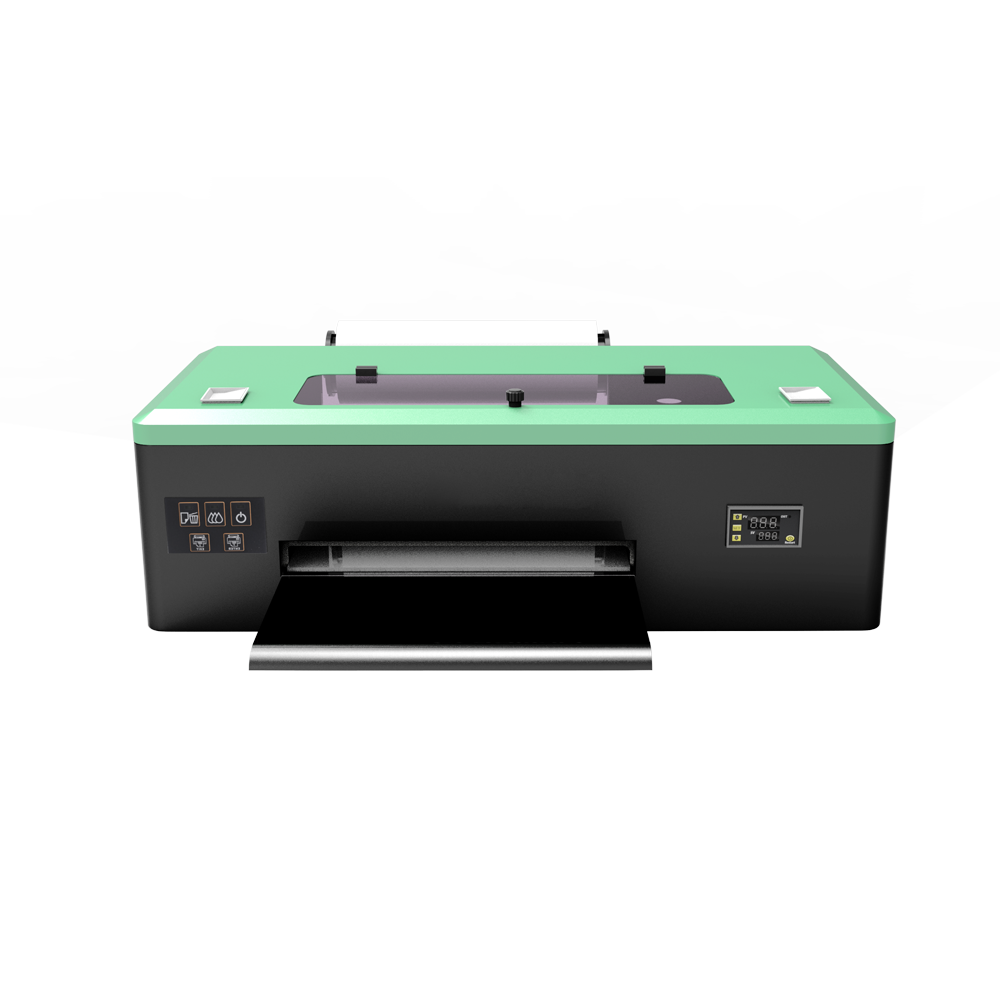
These babies are like the compact cars of the DTF world — easy to handle and friendly for most people:
Small & Space‑Saving: Since it’s only around 11.7 x 16.5 inches of print size, you can literally put them on a desk or in a small room with no problem.
Way More Affordable: A3 printers are usually in the $2,000–$5,000 range — which is way more doable for beginners, students, hobbyists, or small shops.
Great for Custom Projects: If you’re mainly doing T‑shirts, hats, small bags, patches, or other custom items, this size is super legit.
Honestly, if you’re like “I just wanna do cool designs and maybe sell some shirts on Etsy or at the mall” — this is prob your best bet.
But yeah, it’s not perfect:
Size Limits: You can’t go massive with your prints, so don’t expect to do giant posters or big banners.
Less Versatile: Because it’s smaller, you might hit the limits of what you can design — especially if you eventually wanna level up to larger prints.
Time for a quick showdown! Here’s how they stack up against each other:
| Printer | Max Print Size | Good For |
|---|---|---|
| A1 | ~23.4 x 33.1 in | Huge shirts, banners, posters, big jobs |
| A2 | ~16.5 x 23.4 in | Mid‑range stuff — most shirts, bags, etc |
| A3 | ~11.7 x 16.5 in | Small designs, custom tees, hats |
So even though size is a big deal, quality matters too:
A1: Usually offers super detailed prints — because the bigger hardware often means better components.
A2: Still looks great — a tiny step below A1 but totally solid for most stuff.
A3: Good for small designs, but you might notice less crazy fine detail compared to the bigger setups.
Let’s talk money (because uhhh this is important):
A1: ~$10,000 – $20,000+
A2: ~$5,000 – $10,000
A3: ~$2,000 – $5,000
So yeah… A3 is the budget king. A2 is middle ground. A1 is big‑budget boss.
And finally — how easy these are to run:
A1: Needs more tech skill — can be kinda complex.
A2: Easier — less intimidating.
A3: Super friendly for beginners and small business owners.
So, like, how do you know which one you should actually pick? Here’s how I’d think about it:
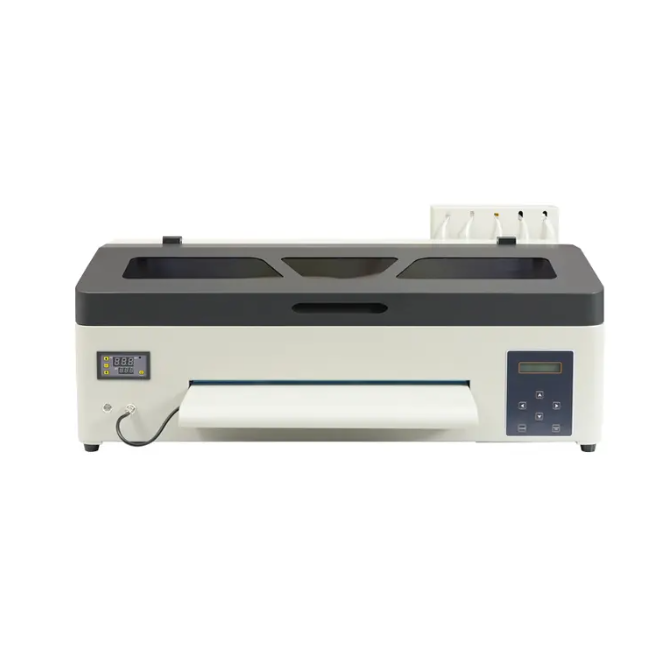
Before choosing a DTF printer, think about what you plan to make most of the time. Big prints? Small prints? How many in a day? That tells you the size you should lean toward.
Figure out how much $$ you can realistically spend — because that alone is often what decides everything.
Once you know the size category you want, look at real brand reviews and specific models. People on YouTube, Reddit, or review sites are actually super helpful for real‑world feedback.
Make sure the company you buy from isn’t gonna ghost you if your printer breaks in two months. A good warranty and helpful customer support is a lifesaver.
Alright, here’s the TL;DR:
If you wanna do huge, high‑volume jobs and have the cash = go A1.
If you want something balanced and versatile = go A2.
If you’re just starting, have a small space, or want cute custom stuff = go A3.
No matter what though, the biggest key is matching your printer to your business goals and budget. And seriously — don’t stress it too much. Once you get printing, it’s mad fun. Shenzhen Chuang Cheng Da Technology Co., Ltd. offers high-quality printers that cater to various business needs, ensuring value, productivity, and cost-efficiency.
A: The main difference lies in the print size. A1 is best for large designs, A2 offers a medium-sized option, and A3 is ideal for smaller prints, especially with budget-friendly projects.
A: The A3 DTF Printer is affordable and compact, making it perfect for small businesses or those with limited space. It’s ideal for printing custom items like T-shirts and hats at a lower cost.
A: The A1 DTF printer is the most suitable for large-scale printing, offering a bigger print bed for oversized designs, such as hoodies and banners.
A: A1 printers are the most expensive, ranging from $10,000 to $20,000. A2 printers cost between $5,000 and $10,000, while A3 DTF printers are the most budget-friendly, priced from $2,000 to $5,000.
A: Consider your print volume, project size, and budget. If you need large prints, A1 is ideal. For versatility, choose A2, and for smaller prints, the A3 DTF Printer is a great option.
A: Yes, while A3 DTF printers have a smaller print size, they can handle detailed designs well, especially for custom small items.


