
Views: 0 Author: Site Editor Publish Time: 2026-10-08 Origin: Site


Sticker durability dictates customer satisfaction. It directly impacts return rates and brand reputation for commercial buyers. Custom merchandise creators face this reality daily. When a customer buys a custom tumbler, they expect the design to endure. UV Direct-to-Film technology provides premium, 3D-textured finishes for hard surfaces. It elevates ordinary items into high-value personalized products. However, buyers often encounter conflicting claims about its true lifespan. Some manufacturers promise absolute permanence, while users occasionally report early peeling. We need clear answers to protect your business reputation. Let us evaluate the realistic durability of these finishes across popular substrates like cups, glass, and plastic. We will examine the exact variables causing premature failure. Finally, we discuss what you must consider before bringing production in-house. Relying on accurate data ensures you make informed hardware decisions moving forward.
UV DTF stickers typically last 1–3 years on hard surfaces under optimal conditions but degrade faster with heavy mechanical washing.
Adhesion strength varies significantly by substrate; smooth glass and rigid plastics yield the best long-term results, while textured or soft surfaces present high failure risks.
Proper application technique (cleaning, pressure, curing time) is as critical to durability as the quality of the ink and varnish.
Evaluating a commercial UV DTF printer requires analyzing not just output speed, but the quality of the varnish curing process which dictates final scratch resistance.
We must provide realistic, evidence-based durability timelines rather than exaggerated marketing claims. Setting baseline expectations protects your brand and educates your buyers accurately.
Drinkware faces constant, aggressive handling every single day. The baseline expectation for durability sits at 12 to 24 months. Standard daily use allows these vibrant designs to thrive beautifully. However, the dishwasher reality tells a starkly different story. These transfers remain highly water-resistant under normal circumstances. Yet repeated exposure to high-heat wash cycles degrades them rapidly. Abrasive detergents attack the outer layers relentlessly. This combination eventually causes micro-cracking inside the protective varnish layer. Water seeps into these tiny cracks and weakens the adhesive base. Hand-washing remains the absolute industry-standard recommendation. It guarantees maximum longevity for commercial cup wraps. Merchandise sellers must communicate this clearly to their end consumers.
Glass provides an excellent canvas for custom decoration. The baseline expectation ranges from two to three years indoors. Indoor environments protect the adhesive from severe temperature fluctuations. Outdoor applications face high ultraviolet exposure constantly. Their lifespan understandably drops to one or two years outdoors. Adhesion dynamics play a massive role here. Smooth, non-porous glass provides an ideal bonding surface. The specialized adhesives latch onto the microscopic structure perfectly. Windows, jars, and decorative mirrors yield fantastic long-term results. The smooth surface prevents moisture from creeping under the edges. You can expect vivid colors and intact raised textures for years.
Plastics present a slightly more complex durability scenario. Expect one to three years of reliable performance. Surface friction heavily dictates this specific timeline. Items sliding against other objects will wear down much faster. We must issue a critical compatibility warning regarding plastics. These decals prove highly durable on rigid plastics like acrylics. However, certain low-energy plastics cause frustrating issues. Polyethylenes can experience a phenomenon known as outgassing. This chemical release forces the adhesive layer to lift over time. Rigid polycarbonate materials offer much better long-term stability. Always test your specific plastic blanks before committing to large production runs.
Many businesses experience unexpected transfer failures. We can usually trace these issues back to operational errors. Highlighting common real-world failures builds better application habits.
Poor surface preparation ranks as the highest culprit. Residual manufacturing oils ruin chemical adhesion completely. Even invisible fingerprints act as physical barriers between the glue and the item. We recommend a simple, highly effective fix. Wipe all surfaces using 90% isopropyl alcohol. Let them dry completely before applying any decal.
Insufficient pressure application also causes rapid failure. You must activate the pressure-sensitive adhesive mechanically. Failure to use a proper squeegee tool leaves dangerous micro-bubbles. These trapped air pockets expand in warm environments. They eventually weaken the entire bond, causing peeling edges.
Incompatible substrates guarantee poor results every time. Applying transfers to frosted glass rarely works. Silicone and soft rubber simply reject the adhesive structure entirely. Heavily textured powder-coated tumblers prevent continuous bonds. The adhesive cannot grab onto uneven, microscopic terrain. It needs a flat, stable area to anchor itself permanently.
Varnish curing deficiencies present another major hurdle. Outsourcing sometimes means relying on poorly calibrated equipment. Suppliers might rush the manufacturing process to meet deadlines. Weak UV lamps lead to tacky or brittle finishes. UV DTF Stickers demand precise curing energy to cross-link properly. Undercured varnish scratches easily and attracts unwanted dust.
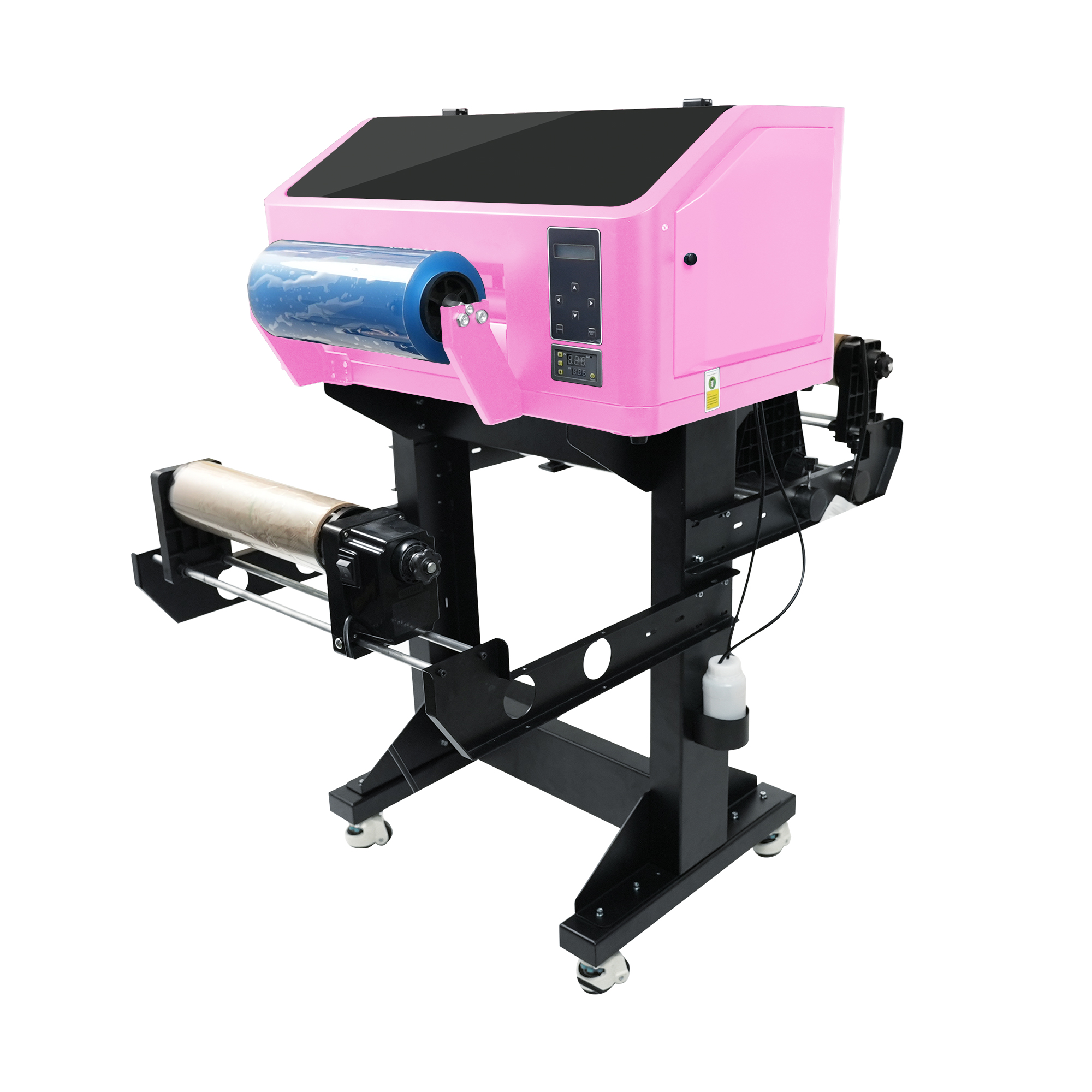
You must evaluate the right technical solution for your shop. Comparing methods validates your ultimate equipment choice based on your specific product line.
Vs. Sublimation: Sublimation embeds directly into specialized polymer coatings. It creates a genuinely permanent, molecular bond. However, it strictly requires specialized, expensive blanks. High heat presses are absolutely mandatory for sublimation. Our alternative technology applies to almost any hard, untreated substrate. It offers a stunning raised, embossed texture. Sublimation always remains entirely flat to the touch.
Vs. Regular DTF: Traditional DTF serves apparel and fabrics exclusively. It relies entirely on a dedicated heat press to melt the powder adhesive. Our focus technology uses powerful UV-cured inks. It pairs them perfectly with a pressure-sensitive adhesive base. Hard goods require no heat equipment whatsoever. You simply peel, press, rub, and remove the carrier film.
Cost & Workflow: Batch processing becomes incredibly fast. You can apply designs to diverse items simultaneously. Imagine decorating a glass jar, a plastic case, and a flask. You pull them all from the exact same printed sheet without changing equipment settings.
Comparison Matrix: Hard Surface Decoration Methods
Technology | Equipment Needed | Substrate Requirements | Finish Texture |
|---|---|---|---|
Sublimation | Heat Press, Specific Printer | Poly-coated blanks only | Flat, embedded into surface |
Regular DTF | Heat Press, DTF Printer | Fabrics, textiles, garments | Slightly raised, flexible |
UV DTF | Laminator, Printer | Any hard, smooth, uncoated surface | 3D raised, embossed, glossy |
Let us outline the operational steps to ensure maximum lifespan. Operational expertise prevents costly mistakes and reduces customer complaints significantly.
The Cleaning Protocol: You must degrease surfaces thoroughly before application. Wipe the item using high-grade isopropyl alcohol. Let it air dry completely to ensure zero moisture remains.
The Squeegee Technique: Employ strict center-to-edge pressure mapping. Push outward firmly to prevent air entrapment. Firm, consistent force activates the pressure-sensitive glue effectively.
Peeling Strategy: Adopt the "fold back" slow peel method. Fold the clear film back 180 degrees. Never pull upward aggressively. A sharp angle minimizes stress on delicate design elements.
The Curing Window: Allow 24 to 48 hours post-application. The adhesive needs time to fully cross-link. It must cure completely before you expose the item to water or heavy handling.
Following these precise steps transforms a fragile decal into a durable finish. Never rush the application process if you want professional results.
Outsourcing works well when you first launch a product line. Eventually, you must transition from evaluating the stickers to evaluating the equipment.
Cost Analysis: Outsourcing custom transfers works well initially. However, the cost-per-square-foot of printing in-house is drastically lower. You must identify your exact volume tipping point. High monthly sticker orders mean equipment pays for itself rapidly. Producing sheets for pennies yields incredible retail margins.
Quality Control: Owning a commercial UV DTF Printer changes everything. Businesses control ink density effortlessly. You can adjust varnish thickness for higher 3D effects. Immediate print-to-apply timelines eliminate shipping delays entirely. You control the narrative and the delivery schedule.
Evaluation Criteria for Printers:
Look for dual or triple printhead configurations for faster output speeds.
Ensure it features automated laminators for smooth A-to-B film bonding.
Verify white ink circulation systems exist to prevent nozzle clogging.
Check the UV lamp quality for optimal curing energy and scratch resistance.
Implementation Risks: Space requirements matter immensely. You need adequate room for the machinery and laminating stages. Daily maintenance protocols remain vital. They prevent catastrophic head strikes and ink starvation. Proper ventilation ensures a safe, odor-free operating environment. When managed correctly, an advanced UV DTF Printer drives massive profit margins and expands your product catalog instantly.
These transfers offer a highly durable, premium solution for cups, glass, and plastic. They thrive beautifully provided they are applied correctly to compatible surfaces. Hand-washing guarantees long-term survival for drinkware. For low volumes, sourcing pre-printed gang sheets remains a viable strategy. However, high-margin merch businesses need total control over their supply chain. Controlling durability and turnaround time eventually requires dedicated hardware. We highly recommend requesting a sample pack today. Test the durability directly on your specific substrates. Alternatively, schedule a technical consultation. We can help evaluate the return on investment for bringing this technology into your own facility.
A: Most manufacturers claim water resistance, but prolonged high heat and harsh detergents degrade the adhesive and varnish. Hand-washing is strictly recommended for commercial guarantees.
A: Yes, the UV-cured inks and varnish provide natural fade resistance, though extreme weather and direct, continuous sunlight will reduce their lifespan compared to indoor use.
A: Usually caused by residual oils left from manufacturing, low-surface-energy plastics (like silicone), or failing to let the adhesive cure for 24-48 hours before use.
A: No. Unlike standard DTF for apparel, UV DTF utilizes a pressure-sensitive adhesive. No heat equipment is required for application.


