
Views: 0 Author: Site Editor Publish Time: 2026-10-04 Origin: Site


Customizing hard goods featuring irregular shapes or extreme curves traditionally presents massive headaches. You usually need expensive rotary jigs, pad printing setups, or manual decal applications. These traditional methods frequently lack long-term durability.
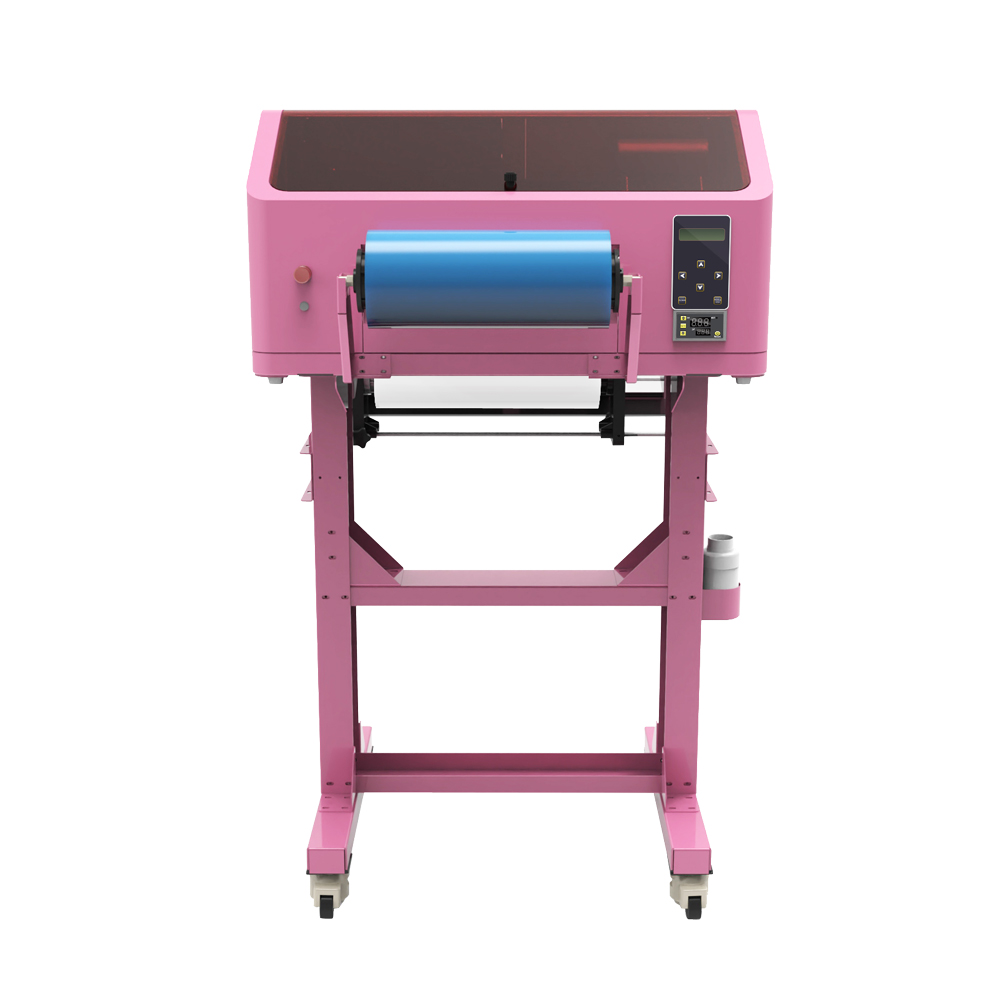
A commercial UV DTF Printer changes the customization landscape entirely. It easily bypasses old limitations by producing high-durability, pre-varnished transfers. These versatile UV DTF stickers require absolutely zero heat during application. They adapt beautifully to complex topographies and uneven surfaces.
Before you dive in and purchase equipment, you must know your materials. Print shop owners and custom merchandisers need to strictly define compatible product blanks and substrates. This crucial step helps you accurately forecast your return on investment. It also prevents costly application failures down the road. In this guide, we will break down exact material compatibilities and application best practices.
UV DTF stickers excel on rigid, non-porous substrates including glass, acrylic, metal, ceramics, and treated wood.
They are generally incompatible with soft textiles, highly textured porous surfaces, and direct food-contact areas.
Adhesion strength and durability depend heavily on the varnish layer quality and the substrate's surface tension, not just the printer itself.
Investing in a UV DTF printer shifts production bottlenecks from machine-printing time to manual transfer application time.
Print shops constantly look for ways to expand their product offerings. Upgrading your hardware capabilities directly influences your addressable market. Let us look at why substrate versatility makes this technology a game-changer.
Traditional UV flatbed printers do a fantastic job on flat surfaces. However, they demand specialized rotary attachments for cylindrical objects. They also fail completely on severe compound curves or oddly shaped items. UV DTF technology solves this geographic limitation. It allows you to print directly onto a flexible carrier film. You can then apply this film onto severe curves, deep recesses, and oversized objects. You no longer have to fit the object inside the printer.
This flexibility rapidly expands your addressable markets. You gain the ability to accept short-run B2B promotional orders. Clients constantly ask for customized pens, tumblers, and keychains. You can now fulfill these requests without charging expensive setup fees. You can also eliminate strict minimum order quantities (MOQs). This makes your services highly attractive to small businesses.
Finally, consider the cost-to-outcome ratio. The base materials are incredibly inexpensive. A/B film and UV curable ink cost very little per square inch. You then apply these low-cost transfers to blank hard goods. Personalized hard goods command a premium retail markup. The massive gap between low consumable costs and high retail prices drives excellent profit margins.
Understanding substrate compatibility separates successful print shops from frustrated ones. We have categorized the most effective materials for these transfers below.
Ideal Use Cases: Wine bottles, cosmetic jars, custom mugs, and shot glasses.
Performance Notes: Glass and ceramics offer incredibly high surface energy. This provides excellent visual clarity and aggressive adhesion. The transfers look virtually indistinguishable from direct screen printing. However, you must prep the surface properly. The substrate must remain entirely free of manufacturing oils, fingerprints, or condensation. Clean the surface thoroughly using isopropyl alcohol before application.
Ideal Use Cases: Powder-coated tumblers, industrial equipment panels, custom tins, and aluminum signage.
Performance Notes: Metal applications deliver exceptionally high scratch resistance. The adhesive bonds brilliantly to bare aluminum, stainless steel, and powder-coated metals. Powder-coated tumblers represent one of the most popular and profitable applications in the industry. The transfers conform perfectly to the slight texture of powder coating.
Ideal Use Cases: Phone cases, laptops, hard hats, acrylic awards, and ABS plastic enclosures.
Performance Notes: Applying transfers to rigid plastics creates a seamless, "direct-printed" look. Traditional heat transfers often warp or melt sensitive plastics. UV DTF requires no heat press. You rely entirely on pressure-sensitive adhesives. This keeps delicate plastic electronics and acrylic awards perfectly safe from heat damage.
Ideal Use Cases: Premium packaging, faux leather journals, and finished wood plaques.
Performance Notes: You must use caution here. The wood must be fully sealed or varnished first. Highly porous, raw wood will absorb the liquid adhesive into its grain. This starves the bond line and causes the transfer to fail. Finished, glossy wood accepts the transfer perfectly. Similarly, smooth faux leather bonds well, but heavily textured genuine leather may present adhesion challenges.
Optimal Material Compatibility Guide
Material Category | Ideal Product Blank | Adhesion Rating | Required Surface Prep |
|---|---|---|---|
Glass & Ceramics | Wine bottles, mugs | Excellent | Isopropyl alcohol wipe |
Metals | Powder-coated tumblers | Excellent | Lint-free wipe, ensure dry |
Rigid Plastics | Phone cases, hard hats | Very Good | Dust removal, avoid LSE plastics |
Wood | Plaques, premium boxes | Good | Must be sealed/varnished first |
Knowing where not to apply your transfers saves time and preserves your reputation. Some materials inherently reject UV-cured adhesives.
Soft and Stretchable Fabrics: UV ink cures into a solid, rigid plastic layer. It lacks elasticity. If you apply it to a t-shirt, hoodie, or canvas tote, it will crack and peel almost immediately upon stretching. For apparel, you must use a standard aqueous DTF printer instead.
Highly Textured or Porous Surfaces: Adhesives require maximum surface area contact to bond securely. Raw concrete, unsealed wood, or heavily frosted glass prevent this contact. The adhesive only touches the microscopic peaks of the texture. This weak contact leads to premature peeling and flaking.
Food-Contact and Medical Surfaces: You must maintain strict safety standards. UV inks and adhesives contain photoinitiators and various chemical compounds. These materials are not FDA-approved for direct food or oral contact. Never apply transfers to the inside of a mug, the lip/rim of a drinking glass, or any medical device entering the body.
Low Surface Energy (LSE) Plastics: Certain plastics naturally repel liquids and adhesives. Teflon, untreated polyethylene (PE), and polypropylene (PP) act like non-stick pans. You cannot apply a sticker directly to them and expect it to hold. You must apply specialized chemical adhesion promoters to these surfaces before the sticker will bond.
Common Mistakes to Avoid:
Applying transfers to cold, sweating drinkware straight from a warehouse.
Failing to burnish the transfer firmly using a squeegee.
Attempting to stretch the carrier film over a compound curve like a baseball.
Promising customers "indestructible" finishes without testing first.
Customers expect custom products to last. You must understand exactly how these transfers hold up against environmental stress.
Scratch and Scuff Resistance: The durability of the image relies entirely on the topcoat. A commercial UV DTF Printer lays down a clear varnish channel over the CMYK and White layers. A thicker, high-quality varnish layer creates a tough, protective shield. This shield resists fingernails, keys, and daily handling.
Water and Chemical Resistance: These transfers are highly water-resistant for daily use and hand-washing. However, we need a reality check. Many vendors claim their transfers are fully dishwasher safe. This is misleading. Routine, high-heat commercial dishwasher cycles expose the adhesive to caustic detergents and boiling water. Over time, these harsh conditions will eventually degrade the adhesive bond. Always instruct customers to hand-wash personalized drinkware.
UV Resistance (Fading): The cured inks handle moderate outdoor use quite well. You can place them on hard hats or outdoor signage safely. Still, prolonged direct sunlight poses a risk. Constant UV bombardment (12+ months) will slowly cause pigment degradation and color fading. If you need permanent outdoor signage, you must apply specialized automotive-grade overlaminates.
Hardware acquisition only solves part of the puzzle. You must adapt your daily workflows to maximize efficiency and maintain quality control.
The A/B Film Process: You must master the two-step workflow. First, the printer lays down ink onto the adhesive side of Film A. Next, you run this printed film through a laminator. The laminator presses the clear carrier (Film B) over the print. You need to allocate adequate floor space in your shop for both the printer and the laminator station.
Environmental Dependencies: You cannot ignore your shop's climate. The pressure-sensitive adhesives on Film A are highly sensitive to ambient humidity and temperature. If your shop is too humid, the ink might spread or cure poorly. If it is too dry, static electricity will ruin the printheads. Climate control systems are mandatory for consistent, daily output.
Labor vs. Automation: Machine printing happens quickly. However, applying these transfers remains a highly manual, labor-intensive process. An operator must cut the design, peel the backing, align it carefully, and burnish it manually. Shop owners must carefully factor this application labor into their unit economics. If you do not account for manual labor time, your profit margins will vanish.
Do not make a blind investment based solely on marketing brochures. Take practical steps to validate the hardware against your specific business model.
Conducting Substrate Audits: Start by examining your current sales data. List your top ten best-selling or most-requested hard goods. Map these products against the compatibility guidelines outlined above. If your top sellers are t-shirts and raw wood signs, this technology is the wrong fit. If you sell tumblers, awards, and glass jars, you are perfectly positioned.
Sample Testing Requisites: Never purchase hardware without testing. Order sample transfers from an established trade printer first. Apply these samples to your exact product blanks. Test them rigorously. Check for 30-day adhesion strength. Perform hand-wash tests and scuff tests. Verify that the adhesive works on your specific inventory before spending capital.
Evaluating Printer Specs: Match your expected production volume to the hardware capabilities. Low-volume shops can succeed with dual-head configurations. High-volume industrial shops need quad-head configurations for speed. You also need to decide between integrated laminators (saves space) or standalone laminators (easier maintenance).
The strategic advantage of this technology is crystal clear. UV DTF stickers unlock highly profitable, high-margin customization for hard goods. You completely bypass the restrictive geometric limitations of traditional flatbed printers. You can now customize curves, corners, and oversized objects effortlessly.
Make your final equipment investment carefully. Base your decision solely on verified material compatibility and thorough sample testing. Conduct a realistic assessment of your manual application labor costs. Ignore generalized, overly optimistic vendor claims. By auditing your substrates and controlling your environment, you will integrate this technology successfully and drive massive revenue growth.
A: Yes, they conform well to single-curve objects like tumblers, water bottles, and cosmetic jars. However, they struggle with severe compound curves, such as spheres or helmets. On compound curves, the rigid carrier film cannot bend in multiple directions without wrinkling or tearing.
A: They withstand moderate hand-washing and mild soaps very well. However, they are not universally dishwasher safe. High-heat drying cycles and caustic dishwasher detergents will degrade the adhesive over time. Hand-washing is always recommended to ensure maximum longevity.
A: No. This technology relies purely on aggressive pressure-sensitive adhesive. It requires absolutely zero heat. This makes the transfers perfectly safe for heat-sensitive plastics, electronic device enclosures, and delicate acrylics.
A: No. Standard DTF uses aqueous (water-based) inks designed for porous textiles. UV DTF requires specialized UV-curable inks and a clear varnish channel specifically formulated for rigid substrates. Mixing these ink types will instantly clog and destroy your printheads.


