
Views: 0 Author: Site Editor Publish Time: 2025-10-24 Origin: Site


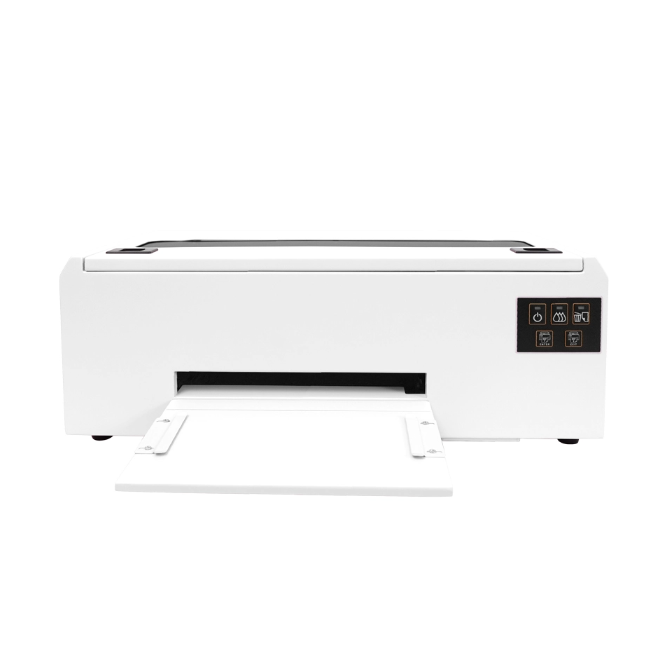
You can use dtf technology to print bright designs on film. The film moves the design onto fabric. This way, you can make custom clothes fast. It also makes less trash. Many companies pick dtf technology because it saves resources. It also helps the planet. A DTF Printer lets you try new ideas for textiles. You can also use it for other things.
DTF printing lets you make bright designs on many fabrics. It is a good choice for custom clothes. This technology is better for the environment. It uses less water and energy. It also makes less waste than old ways. DTF printing saves money. You do not need pre-treatment. It also makes things faster. Businesses can change quickly for customers with DTF printing. They can make special products without keeping lots in stock. The DTF market will grow a lot. This shows a strong future for this new printing method.
You can use dtf printing to create colorful designs on many types of fabric. The process uses a special film and powder to move the image onto the material. Here are the main steps you will follow:
Print on Film: Print your design on PET film. First, print a layer of white ink, then print the color image as a mirror image.
Powdering: Sprinkle hot-melt powder on the wet ink. Shake off any extra powder.
Melting the Powder: Use a curing oven or heat press to melt the powder onto the film.
Pre-pressing: Press the fabric for a few seconds to flatten it and remove moisture.
Transfer: Place the film on the fabric. Use a heat press at 160 to 170°C for 15 to 20 seconds.
Cold Peel: Let the fabric cool. Peel off the film to reveal your design.
Post-pressing: Press the fabric again for a short time to make the print last longer.
Tip: You can use dtf printing on many materials, such as cotton, polyester, blends, leather, and canvas. This makes it a flexible choice for your projects.
A dtf printer has several important parts. Each part helps you get the best results from your printing.
Printheads: These control the quality of your prints. Many printers use Epson nozzles for sharp images.
Main Board: This part connects all the printer pieces and helps them work together.
RIP Software: This software changes your digital image into a format the printer can use. Popular options include Maintop and Photoprint.
Films: PET films hold your design and keep it clean during transfer.
Hot Melt Adhesive Powder: This powder sticks the ink to the fabric when you press it.
Printing Inks: You use CMYK and white inks to make bright and bold prints.
DTF Automatic Powder Shaker: This tool spreads the powder evenly on the film.
Note: You do not need to pre-treat your fabric before dtf printing. This saves you time and makes the process easier.
DTF printing gives you many advantages over other methods. You can use it for different fabrics and surfaces. You can also save money and time.
Durability: Your prints will not crack or peel easily. They stay bright even after many washes.
Easy Application: You can transfer designs to many surfaces, not just fabric.
Versatility: You can print on cotton, polyester, blends, leather, and canvas. This lets you create many types of products.
Cost-Effectiveness: You do not need to spend money on pre-treatment. You can print designs ahead of time and use them when you need them.
Faster Production: You skip steps like drying and pre-treating, so you finish jobs faster.
Sustainability: DTF printing uses less water and energy. It also uses eco-friendly inks and creates less chemical waste.
Here is a table that shows how dtf printing helps the environment:
Sustainability Aspect | Contribution of DTF Technology |
|---|---|
Eco-friendly inks | Uses water-based or biodegradable inks |
Water consumption | Uses less water than traditional printing |
Chemical waste | Makes less harmful waste |
Energy consumption | Uses less energy by skipping drying steps |
Carbon footprint | Lowers carbon emissions |
DTF printing helps you protect the planet while making great products.
If you look at different textile printing methods, you will see big differences between dtf printing and screen printing. Dtf printing can make very clear pictures and detailed images. Screen printing has trouble with small lines, especially on bumpy fabrics. You can check the main differences in this table:
Feature | DTF Printing | Screen Printing |
|---|---|---|
Detail Handling | Excels in intricate details and photos | Struggles with fine details on textures |
Color Range | Wide range, subtle color variations | Bold, vibrant colors, less subtlety |
Dark Fabric Printing | Prints directly, no underbase needed | Needs underbase for dark materials |
Dtf printing works on many kinds of fabric. Screen printing is better for simple designs and big orders. Dtf printing is good for small batches and custom items because it needs less setup.
Dtf printing and DTG printing both help you make custom clothes, but they are not the same. Dtf printing uses a transfer film and special powder. This way works on both man-made and natural fabrics. You can print on cotton, polyester, nylon, and blends. DTG printing uses water-based ink and works best on natural fabrics like cotton and linen. DTG gives a soft feel, but you cannot use it on every fabric.
Dtf printing makes strong designs on man-made fabrics like nylon and fleece.
DTG printing works better on natural fabrics because the ink goes in well.
Dtf printing is faster for big orders since you can print designs ahead and transfer them later.
DTG printing is quicker for small orders but needs extra steps like pre-treating and drying.
You should care about the environment when picking a textile printing method. Dtf printing uses special inks and powders. If you throw them away the wrong way, they can hurt nature. The process uses a lot of energy, mostly when heat pressing. Dtf printing also makes plastic trash from leftover films and powders. Heating inks and powders can let out gases that pollute the air.
Screen printing uses more water and chemicals for cleaning. Dtf printing makes more plastic trash. DTG printing uses water-based inks, which are safer. Some dtf printing materials have OEKO-TEX certification, which means they are safe and good for the earth. REACH compliance also helps keep people and nature safe by avoiding harmful substances.
Pick certified materials to make your textile printing safer for people and the planet.
DTF printing is changing how people make custom clothes. This technology lets you create special designs for each person. You do not need to keep lots of clothes in stock. You can print clothes when someone orders them. You can offer new styles fast. DTF printing works well for small orders. You do not pay big setup costs. Many companies buy their own printers or use printing services. You can print on many kinds of fabric. This gives you more ways to decorate clothes. You can make prints with lots of color and detail. These prints help attract buyers. You can make one shirt or a few at a time. This helps you give customers what they want. You can offer products made just for them. This way, you can find new customers and keep old ones happy.
You can print on cotton, polyester, blends, and other fabrics.
You can make prints with bright colors and sharp details.
You can create special items for events or gifts.
You can follow trends and meet customer needs quickly.
DTF printing helps you become a leader in making custom clothes. You can build better relationships by giving customers products made for them.
DTF printing helps your business work better. It makes production faster and lowers costs. You do not need to treat fabrics before printing. This saves you time. You can print designs early and use them later. You can handle both small and big orders easily. One printer works for many materials. This makes your business more flexible. You only print what you need, so you waste less. You spend less money because you do not need special screens or extra tools.
You finish jobs faster and deliver products quickly.
You manage your stock better by printing when needed.
You can offer more products with custom clothes and creative designs.
You can reach new customers by offering flexible printing services.
DTF printing helps your business run smoothly and stay ahead in the clothing market.
DTF printing is better for the environment. It uses less water and energy than older ways. You do not need to clean screens or use strong chemicals. You can use inks that are safe for nature. This means less chemical waste. You use less energy because you skip drying steps. You can also use certified materials to cut down on plastic waste.
Here is a table that shows how DTF printing and old printing methods use water and energy:
Aspect | DTF Printing | Traditional Printing |
|---|---|---|
Water Usage | Uses little water, mostly for prep | Uses more water for cleaning |
Energy Consumption | Uses less energy | Needs more electricity |
DTF printing helps you protect nature and reach green goals. You can make great clothes and care for the planet at the same time. DTF printing is a good choice for a cleaner and safer world.
DTF printers change every year. Some printers have two or three print heads. These machines print faster and do more work. You can use eco-friendly PET films and safe inks. Some printers use roll-to-roll automation. This lets you print many things easily. You can print on more than just fabric. Smart controls help prints stick better. New ink and print heads make designs look sharper. Small businesses can buy compact and cheap models. You can use special powder blends for cool effects. The dtf printing market is growing worldwide. You get better prints and more ways to make unique designs.
Automation makes printing easier. Software helps you manage orders and track jobs. Sensors check print quality for you. Automated ink systems and controls make printing faster. You can line up print jobs and use heat press automation to save time.
Aspect | Description |
|---|---|
Digital Workflow Management | Software tracks orders and job stages for smooth work. |
Automated Quality Checks | Sensors check prints and keep them good. |
Increased Efficiency | Automated ink and controls make printing quick. |
Enhanced Automation | Auto-queuing and heat press automation speed up work. |
You can use software like Cadlink Digital Factory, Caldera, and DecoNetwork. These tools help you manage colors, track jobs, and sell online.
DTF printing is used for more than clothes now. You can make promo items, stickers, and labels. You can print full-color designs for events and concerts. You can design custom packaging and decorations. UV dtf sticker transfers let you print on many surfaces. DTF printing helps with branding and marketing. Your designs stand out. You can make special designs for many businesses. DTF printing helps you find new customers and grow.
DTF technology is changing textile printing and similar businesses. You get more choices, work faster, and can make new designs. Experts think the digital textile printing market may be worth $3.5 billion by 2025. DTF is helping this market grow.
You use less water and make less trash.
You can print custom things when people ask.
Challenge | Description |
|---|---|
Print-head care | Clean your printer often so it works well. |
Skill development | Learn new skills to use new printing ways. |
Keep learning about new DTF updates. Look for helpful guides and think about using DTF for your business.
You can print on cotton, polyester, blends, leather, and canvas. DTF technology works well with most fabrics. You do not need to pre-treat the material before printing.
Wash your clothes inside out with cold water. Use mild detergent. Avoid bleach. Dry on low heat or hang to dry. This helps your prints stay bright and last longer.
DTF printing uses water-based inks and less energy. You create less chemical waste. Choose certified materials for safer results. You help protect the planet by using eco-friendly options.
You can print one item or many. DTF printing does not need big setups. You save time and money when you print small orders or custom designs.


