
Views: 0 Author: Site Editor Publish Time: 2025-12-19 Origin: Site


Looking for a versatile printing solution that can handle custom designs with ease? The A3 DTF printer could be exactly what you need. With its larger print area and excellent quality, it’s perfect for businesses looking to scale up their printing capabilities.
In this article, I’m gonna break down what an A3 DTF printer actually does, why people use it, and how it compares to other printing stuff like DTG or screen printing. I’ll also talk about why small businesses love it so much and how it can totally up your design game.
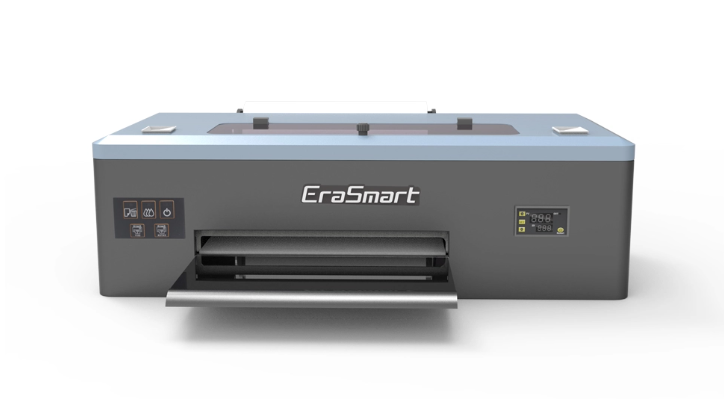
Alright, first up: the basics. So, an A3 DTF printer is this printer that prints your design onto a special kind of film called PET (that stands for Polyethylene Terephthalate — but you don’t have to remember that). Then later, you heat‑press that design onto clothes or other materials.
Here’s the whole process step by step — kinda like the printer’s to‑do list:
Design Creation: You start by making your design in some graphic design software — like Photoshop, Illustrator, or whatever you’re comfortable with.
Printing on PET Film: The printer prints your design right onto this special PET film, using DTF inks.
Adhesive Powder Application: While the ink is still wet, you sprinkle on this adhesive powder so the design will stick later.
Curing the Film: Then you heat the film in a curing oven so that the adhesive gets all ready.
Transfer to Material: Finally, you use a heat press to move the design from the film onto whatever fabric you want — like a shirt or hoodie.
It’s honestly pretty cool once you see it in action. Like you print it, prep it, and then boom — your design is on a shirt!
So, like, you might be wondering what makes this printer so special. Here’s the deal: it’s just super versatile and does a bunch of stuff really well. Here are some of the biggest perks:
The A3 printer can handle designs up to 11.7 x 16.5 inches, which is way bigger than what most little printers can do. That means you’re not stuck with tiny chest logos — you can go full‑chest or even big back prints on shirts. That’s huge if you want bold, eye‑catching designs.
The prints look really good. Like, vibrant colors and crisp details even if the design is super detailed. If you’re trying to sell products or impress people, quality matters — and this thing delivers.
This printer doesn’t freak out if you switch fabrics. It works on cotton, polyester, blends — pretty much whatever you throw at it. That’s way more flexible than a lot of other printers that only like one kind of fabric.
Now let’s talk about how the A3 DTF stacks up against other common printing options.
Okay, so DTG printers — that stands for Direct‑to‑Garment. They’re cool, but they can be a pain.
DTG needs pretreatment on some fabrics, especially cotton. That means an extra step before you even print.
DTF doesn’t need any pretreatment, so you save time and hassle.
Both can make high‑quality prints, but DTF is just simpler and works on more materials.
So if you want easy and flexible, DTF wins here.
Screen printing is that traditional method where they make stencils (or “screens”) for each color and design.
Screen printing is great if you’re doing huge batches of the same thing.
But it’s not so great for small runs or crazy custom designs because you need new screens for every design.
A3 DTF is way faster for small batches and super customizable.
So if you’re running a small business or doing on‑demand orders, DTF is a solid choice.
Okay, now let’s talk about what people actually use this thing for in real life.
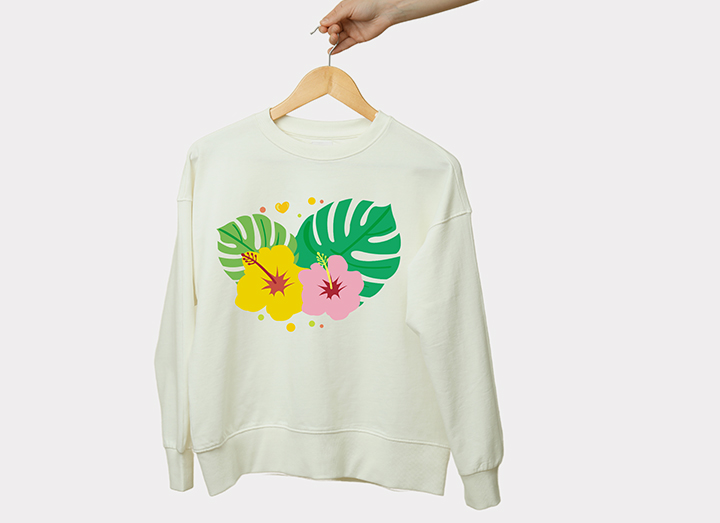
This is like the main thing people think of when they hear DTF printer. You can make:
Full‑chest designs on T‑shirts
Big back prints on hoodies
Shirts for events, bands, teams, you name it
Because of the big print area, you can be way more creative — not just little logos.
It doesn’t stop at clothes. You can also print on a bunch of other stuff:
Tote bags — tote‑ally cool, lol
Hats and caps — although you might need special presses for curved surfaces
Pillowcases — perfect for custom gifts
Aprons — like for cooking or art studios
This is awesome for small shops because you can sell all kinds of merch without needing tons of different machines.
Here’s where it gets really fun for small businesses and creators:
You can do small batches with no problem.
If someone wants a unique design, you don’t need to spend hours setting up screens or pretreating fabric.
Etsy sellers, boutique shops, and custom merch businesses love this because they can offer personalized stuff without going broke on equipment.
Basically, if you want to make one‑off items or small orders without losing money, this printer is clutch.
So like, why do small businesses especially love this thing? Let’s break it down.
Big industrial printers cost a ton of money — like thousands and thousands. But A3 DTF printers are way more affordable, so you don’t have to be rich to start printing custom stuff.
If you’re starting a small business with limited capital, this printer lets you jump in without freaking out about costs.
Honestly, this thing is pretty user‑friendly.
Most models come with software that’s not too hard to figure out.
You don’t have to clean it every five minutes like some other printers.
You can spend more time actually making stuff instead of worrying about printer drama.
This is great for beginners or people who just want to focus on their designs.
Not only does it make nice prints, but the colors last and hold up after washing and wearing. That’s super important if you’re selling clothes — no one wants a shirt that fades after one wash.
Plus, since it works on lots of different fabrics, you can offer a bunch of products without buying a new machine for each one.
Now let’s do a clear comparison between different tech so you can see what’s up.
If you’re choosing between A3 and A4 DTF printers, the big differences are:
| Feature | A3 DTF Printer | A4 DTF Printer |
|---|---|---|
| Max Print Area | 11.7 x 16.5 inches | 8.3 x 11.7 inches |
| Best For | Big designs, gang sheets, bold stuff | Small prints like chest logos |
| Cost | Higher upfront cost | Lower cost |
| Space Needed | Bigger footprint | More compact |
So like, if you’re gonna print big, detailed designs or multiple prints at once, go A3. If you’re just doing little logos or patches, A4 might be fine.
Here’s another comparison to make it easier:
| Feature | A3 DTF Printer | DTG Printer |
|---|---|---|
| Material Compatibility | Works on tons of fabrics | Mostly cotton, needs pretreatment |
| Print Quality | Vibrant and detailed | Also high quality |
| Cost | Better for small businesses | More expensive overall |
| Maintenance | Easier | Needs regular care |
So while DTG is cool, it’s kinda picky with material and needs more upkeep. DTF is just easier if you want versatility.
And one more:
| Feature | A3 DTF Printer | Screen Printing |
|---|---|---|
| Setup Time | Quick — no screens | Slow — screens for every design |
| Production Speed | Fast for small/medium orders | Fast for huge batches |
| Cost for Small Runs | Lower | Higher |
| Flexibility | More | Less |
Basically, if you’re doing big volume orders all the time, screen printing might still be good. But for most small biz stuff? DTF wins.
Alright, real talk: this printer is perfect for people who are just getting started or who want full creative control without spending a fortune.
Starting a printing business can be scary because you think you need a massive setup. But with an A3 DTF printer, you can start small and scale up.
It’s affordable, and you can still make professional‑looking products. That means more money to invest in other parts of your business, like marketing or better materials.
If you’re working out of your bedroom, garage, or a tiny studio — no prob. These printers don’t take up a crazy amount of space. Most of them sit on a table or desk easily.
So you can run your business from pretty much anywhere — no need for a huge shop.
Even though it’s small, the printer works fast. You can print lots of designs without long wait times, which is super clutch when you have orders stacking up.
Whether it’s a few shirts for friends or a bunch for a customer, you can get it done without pulling an all‑nighter.
Alright, so here’s the deal: the A3 DTF printer is honestly a great choice if you want a flexible, affordable, and quality printing solution. It’s perfect for custom apparel, accessories, and small batch production — basically anything you want to put cool designs on.
It’s easy to use, works with lots of materials, and doesn’t cost as much as big industrial printers. If you’re launching a startup, running a small shop, or just wanna make amazing merch, this printer is a solid pick.
And if you’re looking for a reliable brand, Shenzhen Chuang Cheng Da Technology Co., Ltd. makes some sweet printers with good support, which is super helpful when you’re just getting started.
A: It prints custom designs onto special film (PET), which you then heat‑press onto clothes, bags, and other items.
A: You print on film, add adhesive powder, cure it, and then transfer it to fabric with a heat press — easy peasy.
A: Big print size, affordability, ease of use, and the ability to work on lots of materials.
A: It’s perfect for big designs and custom stuff, and it doesn’t cost as much as other pro printers.
A: Costs vary, but it’s generally more affordable than large industrial machines and gives you great quality for your money.


